 Skin & Laser
There is no shortage of products promising to stop hair loss. Only a few are backed by good evidence. This guide explains the main options, how they compare, and how a doctor puts them together.
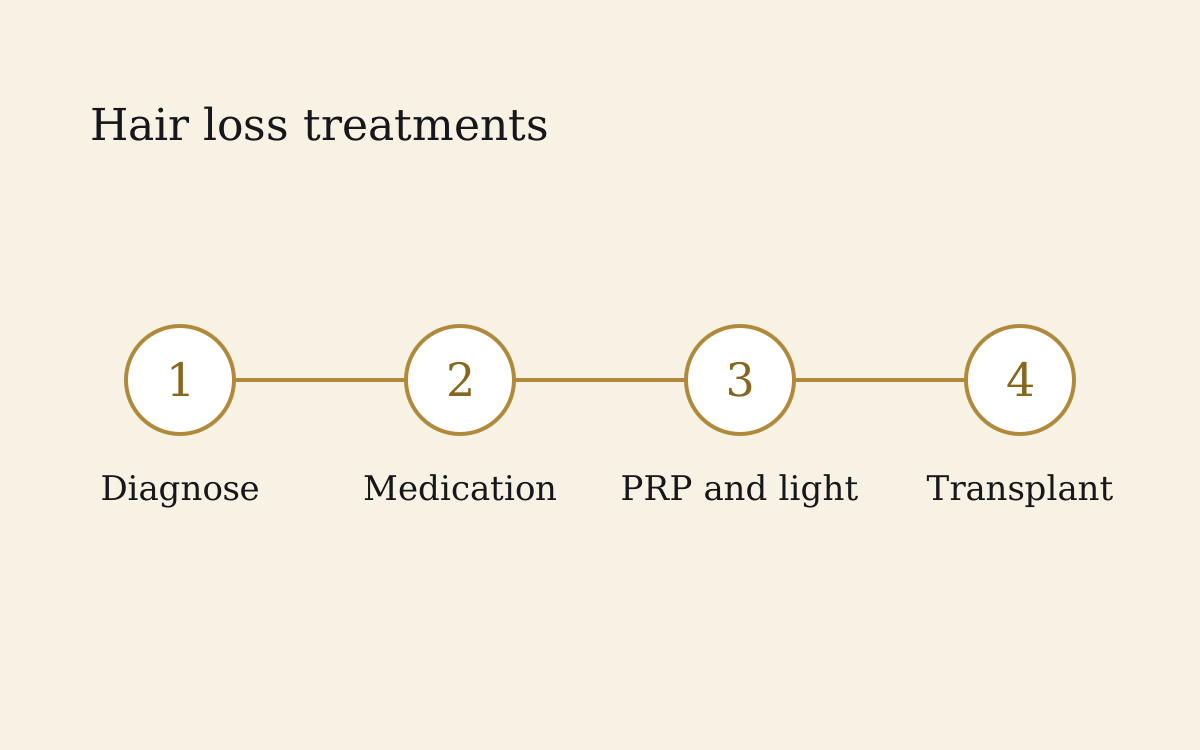
Step 1: find the cause
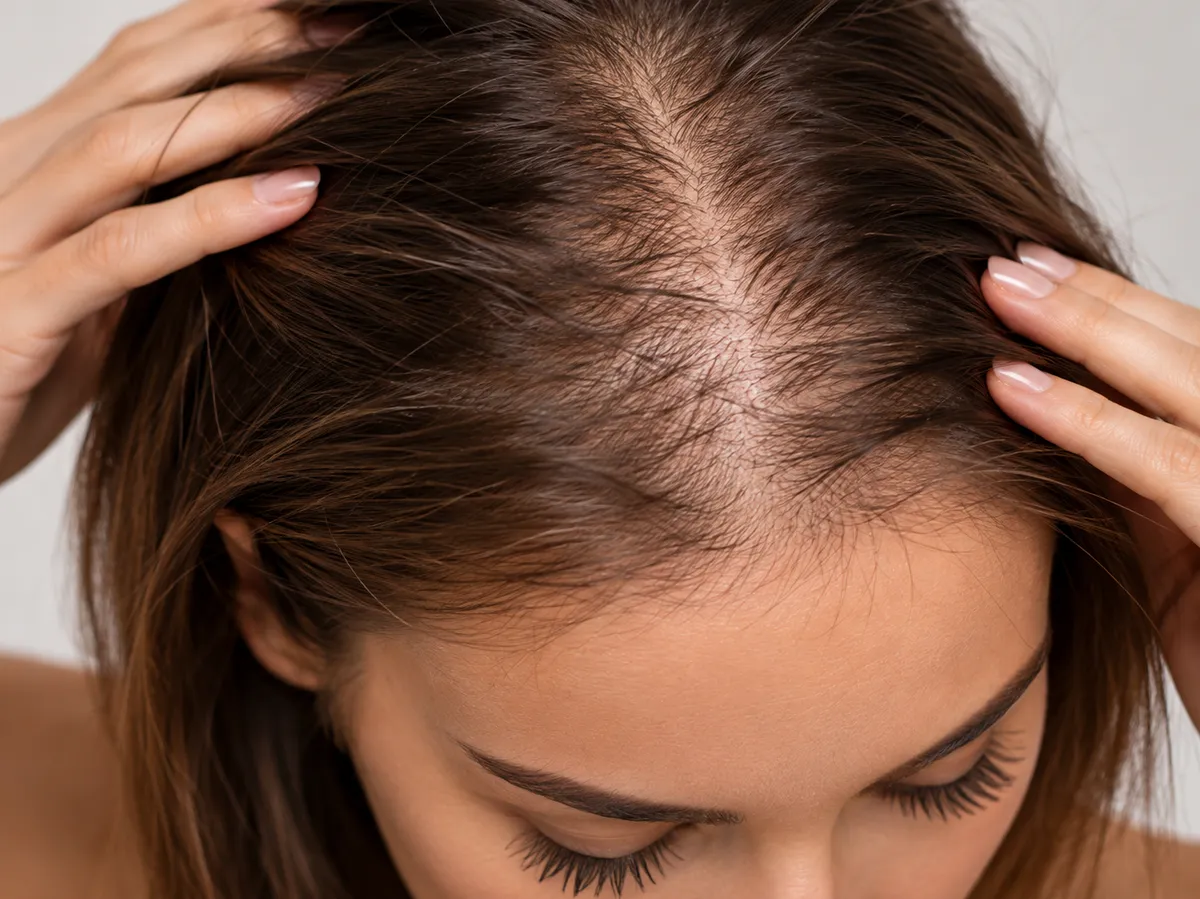
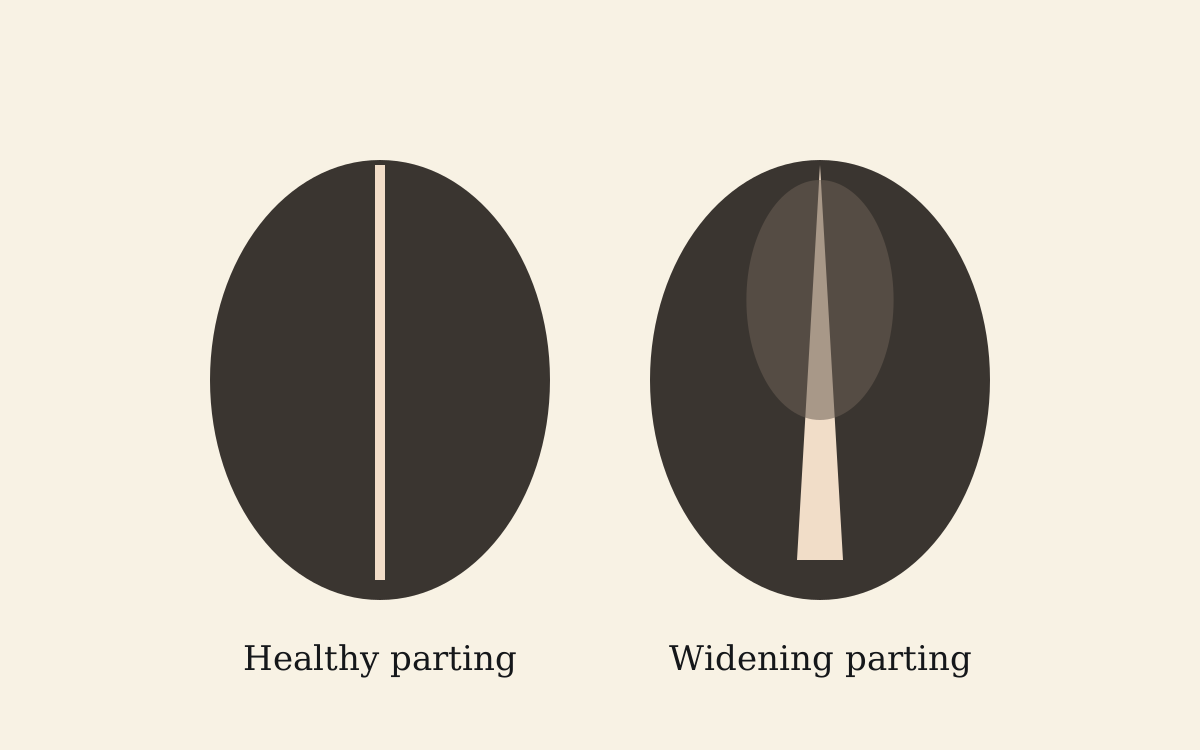
Pattern hair loss, stress-related shedding, low iron, thyroid problems and scalp conditions all look different and need different treatment. A scalp examination and, where needed, blood tests come first. Women in particular should read our guide to female hair loss.
Medication
- Minoxidil: applied to the scalp or, in some cases, taken as a low-dose tablet under medical supervision. It prolongs the growth phase of the hair cycle.
- Finasteride: a prescription tablet for men that reduces the hormone that shrinks follicles. It has strong evidence but is not suitable for everyone, so the benefits and possible side effects should be discussed with your doctor.
Medication works best when started early and continued, because the benefit fades if it is stopped.
PRP and regenerative treatments
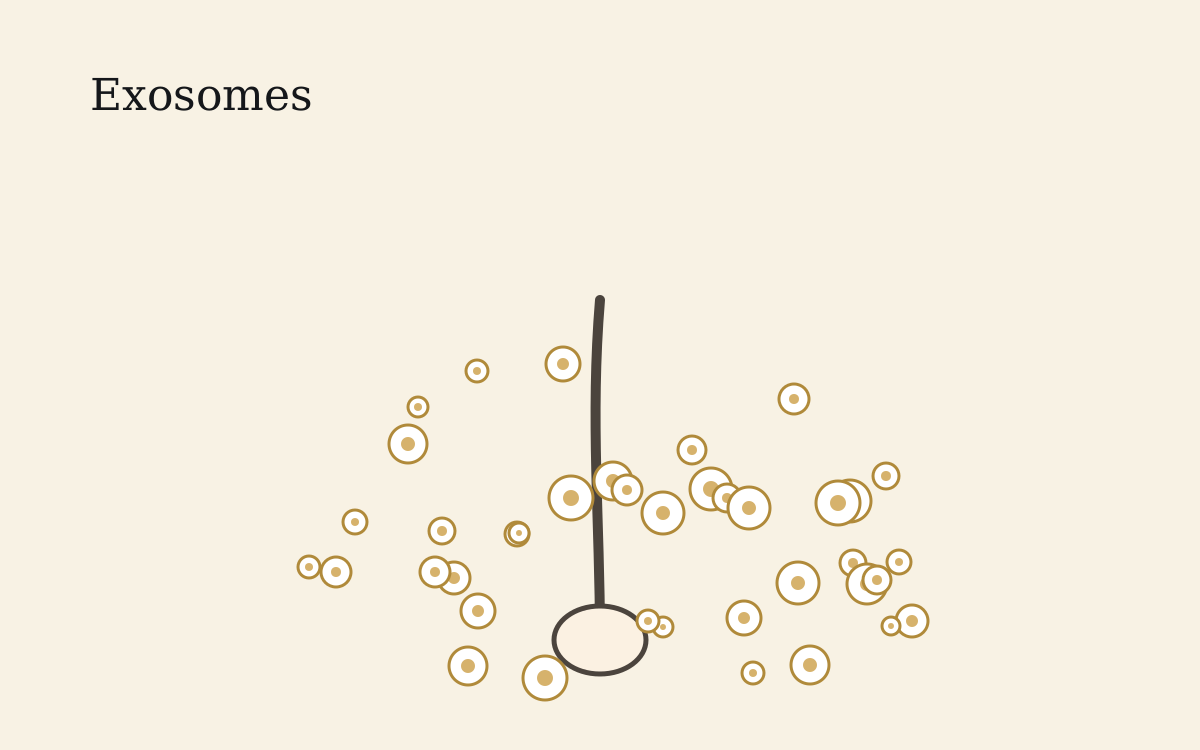
PRP uses your own platelets to strengthen thinning hair and has growing evidence for pattern hair loss. Exosomes are a newer option with promising early results but less research behind them. Mesotherapy delivers vitamins and active ingredients into the scalp and is often combined with PRP.
Light therapy
Low-level light therapy, such as an LED dome, has evidence for modest improvement in pattern hair loss and is painless. It is best used alongside other treatment.
Hair transplant
Where follicles have gone, nothing regrows them. A hair transplant moves follicles from the back of the scalp, where they resist balding, to the thinning areas. It is permanent for the transplanted hair, but native hair still needs protecting, which is why many patients continue medical treatment afterwards.
The best plans combine treatments: protect what you have, then restore what you have lost.
What about shampoos and supplements?
Most hair growth shampoos and supplements have little evidence on their own. Supplements help mainly if a blood test shows a deficiency, such as low iron or vitamin D.
How to choose
- Early thinning: medication, PRP and light therapy, for example our hair loss packages
- Receding hairline or bald areas: a transplant, supported by medical treatment, see hair transplant prices
- Women: diagnosis first, then medical treatment, PRP or unshaven DHI
Try our graft planner to see where you are on the Norwood scale.
The bottom line
Hair loss is easier to treat early. A short consultation and a few tests can tell you which treatments are worth your time and money, and which are not.
Questions people ask
What is the most effective treatment for hair loss?
It depends on the cause. For pattern hair loss, medication such as minoxidil and finasteride has the strongest evidence, and a transplant is the only way to restore hair where follicles are gone.
Can hair loss be reversed?
Thinning hair can often be strengthened if treated early. Hair lost from follicles that have disappeared cannot regrow without a transplant.
Do hair growth shampoos and supplements work?
Most have little evidence on their own. Supplements help mainly if you have a deficiency, which a blood test can show.
Should I treat hair loss before a transplant?
Often yes. Medical treatment and PRP protect your native hair, so the transplant result stays natural as you age.
This page is for general information and does not replace a medical consultation. Suitability, results and the number of sessions vary from person to person and are confirmed by our physician before treatment.