 Skin & Laser
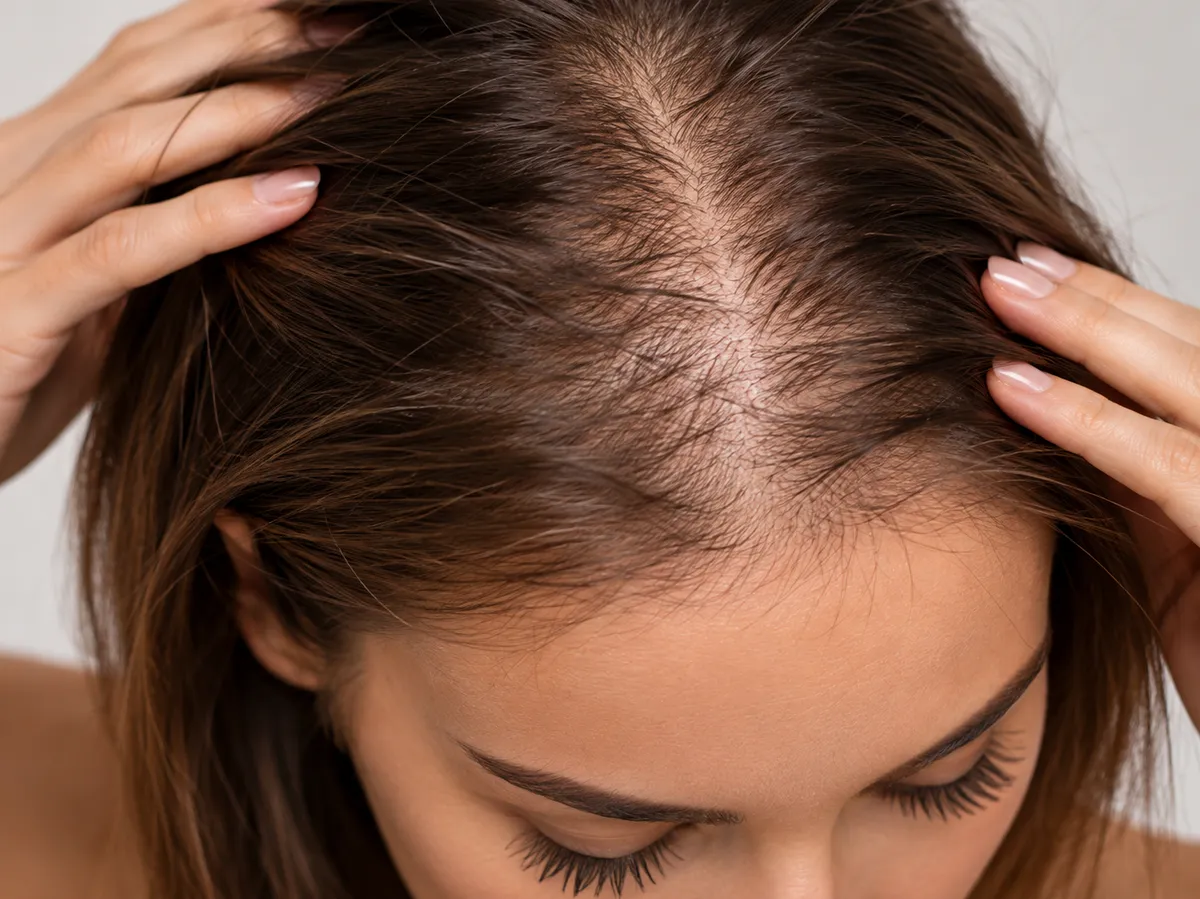
Exosomes are one of the most talked-about new options for thinning hair. Patients often ask us whether they work, how they compare with PRP and whether they are worth it. Here is a balanced view.
What are exosomes?
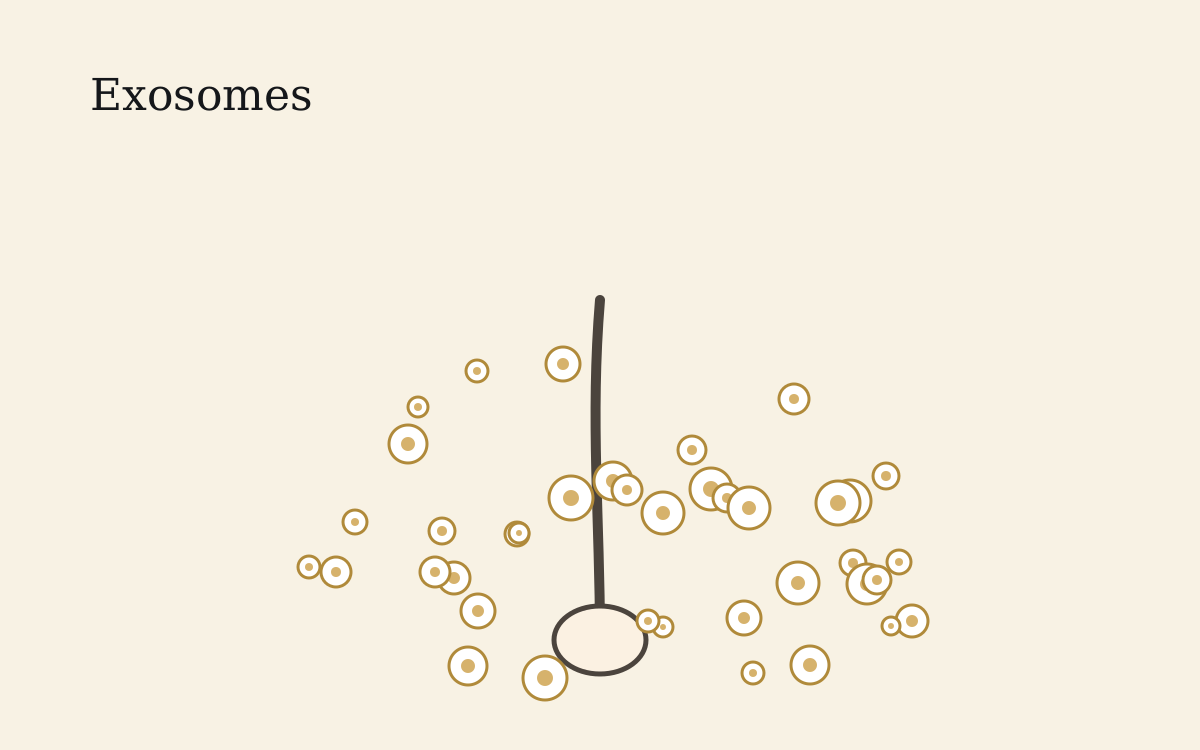
Exosomes are microscopic vesicles, far smaller than a cell, that cells release to send signals to one another. They carry proteins, growth factors and genetic messages. In hair restoration, exosome products are usually derived from cultured stem cells and are applied or injected into the scalp to deliver those signals to hair follicles.
How might they help hair?
Laboratory and early clinical studies suggest exosomes may:
- Support the growth phase of the hair cycle
- Help weakened, miniaturised follicles produce thicker hair
- Calm inflammation around the follicle
- Support healing after a hair transplant
What does the evidence say?
The research is promising but young. Most studies so far are small, short-term or without a comparison group, and products differ widely in how they are made. That means results are harder to predict than with treatments that have a longer track record.
We see exosomes as a useful addition for some patients, not a replacement for a proper diagnosis and proven treatment.
In some countries, including the United States, no exosome product is approved by regulators for treating hair loss. Treatment should always be given by a doctor who can explain the product used and its limits.
Exosomes or PRP?
PRP uses platelets from your own blood and has more published studies for pattern hair loss. Exosomes do not need a blood draw and may deliver a more concentrated signal, but there is less evidence behind them. For many patients we start with PRP and consider exosomes as an add-on. Read more in our guide to PRP for hair loss.
Who might consider exosomes?
- Early thinning where follicles are still present
- Patients who want to support a transplant or a PRP course
- People who cannot have PRP, for example because of certain blood conditions
They are not a fix for advanced baldness. Where follicles are gone, a hair transplant is the only way to restore hair.
The bottom line
Exosomes are an exciting area, and we expect the evidence to grow. For now, the best results come from finding the cause of your hair loss first, then building a plan with proven treatments, adding exosomes only where they make sense. Our hair loss packages are a good place to start.
Questions people ask
Do exosomes regrow hair?
Exosomes may help weakened follicles grow thicker hair, but they cannot regrow hair where follicles are already gone. Research is still at an early stage.
Are exosomes better than PRP for hair?
There is not yet enough good-quality research to say. PRP has more published studies behind it. Some patients use both under a doctor's plan.
How many exosome sessions are needed for hair?
Plans vary, but one to three sessions spaced a few weeks apart is common, followed by a review of results at around three months.
Are exosome treatments safe?
Side effects reported so far are usually mild, such as redness or tenderness. Product quality varies, so treatment should only be given by a doctor using a properly sourced product.
This page is for general information and does not replace a medical consultation. Suitability, results and the number of sessions vary from person to person and are confirmed by our physician before treatment.